
Apple Inc. represents the pinnacle of consumer technology innovation, known for premium design, seamless ecosystem integration, and uncompromising privacy standards (Apple, n.d.; Zhang, 2023). The company’s brand image is built on simplicity, emotional connection, and customer loyalty, making it the ideal choice for evaluating new consumer product concepts (Zhang, 2023). I selected Apple because its reputation for creating intuitive, privacy-focused experiences positions it perfectly to address unmet needs in home technology.
Consumers expect Apple products to set industry standards for design and security, viewing them as aspirational status symbols (Zhang, 2023). Apple’s formal privacy governance, emphasizing data minimization, user control, and privacy-by-design, shapes these expectations (Apple, n.d.). The public accepts premium pricing for this combination of aesthetics, reliability, and data protection, but demands perfection in execution, especially for always-connected home devices.
New Product Concept: Apple iFrame

The Apple iFrame is a wall-mounted smart display functioning as both digital décor and home command center. A single consumer product that transforms shared spaces. When idle, iFrame displays iCloud Photos and ambient art, blending seamlessly into home décor. When active, it reveals shared calendars, weather widgets, and Apple Home controls for lights, cameras, and climate, all secured by Apple’s privacy framework (Apple, n.d.).
Key benefits include glanceable family coordination, aesthetic enhancement, and ecosystem unification. Unlike generic smart displays, iFrame delivers Apple’s signature polish and privacy, addressing consumers’ desire for technology that enhances rather than clutters their environment (Zhang, 2023).
Target Audience & Unmet Needs
Apple households have invested in iPhones, Watches, and Home accessories, represents the core market (Zhang, 2023). Marketing research defines this segment by demographics (income, family status), psychographics (design-conscious, tech-savvy), and behavior (ecosystem loyalty) (David, Ortinau, & Harrison, 2023).
These consumers lack a centralized, always-visible hub for family schedules and smart home control. Current solutions fragmented apps or improvised wall tablets, fail to deliver Apple’s seamless integration and premium aesthetic (Zhang, 2023). iFrame fills this gap with privacy-protected, always-on functionality.

Research Objectives & Design
The overarching research objective is to determine whether Apple iFrame should be launched in the United States, including optimal positioning, pricing, and target market strategy (David, Ortinau, & Harrison, 2023).
Target Audience Research:
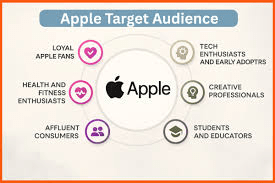
- Who are they? Age, income, family status of Apple ecosystem households currently using smart home devices
- How many? Market size and projected growth rate of premium smart home users in the U.S.
- What are their wants/needs? Current solutions for family coordination and home control, plus frustrations with fragmented apps and wall tablets
- Buying process? Selection criteria (design, privacy, Apple integration), current products used, likes/dislikes
- Competitors they see? Brands they consider alternatives and why (Zhang, 2023)

Competition Research will examine:
- Direct competitors to iFrame (smart displays, digital frames serving as home hubs)
- Their features/benefits and target audiences
- 4Ps strategy: Product positioning, pricing strategy, distribution channels, promotion tactics
- Performance metrics: Units sold, revenue, market share where available (David, Ortinau, & Harrison, 2023)
External factors analysis will cover government regulations (smart home/privacy laws), economic conditions (discretionary spending), environmental concerns (sustainable materials), technology trends (Matter standard adoption), and societal shifts toward integrated home experiences.
Research Methods: I’d use secondary research first such as industry reports and competitor analysis, to understand market factors and competition (David, Ortinau, & Harrison, 2023). Then primary research: qualitative focus groups with Apple households to uncover perceptions and unmet needs, plus quantitative surveys of 1,000 U.S. Apple users measuring purchase intent, willingness-to-pay, and feature priorities. This mixed-method approach provides comprehensive data for launch decisions.
References:
Apple. (n.d.). Apple. https://www.apple.com/
David, J. F., Ortinau, D. J., & Harrison, D. E. (2023). Essentials of marketing research (6th ed.). McGraw-Hill.
Zhang, Z. (2023). A case study on brand image and customer engagement. Humanities, Business and Economics Journal, 2(4), 1-12. https://drpress.org/ojs/index.php/HBEM/article/view/17114
 Site Title
Leave a comment