Market Research Supporting Organizational Objectives:
The market research conducted for the Apple iFrame demonstrates strong alignment with Apple’s organizational objectives, including innovation, ecosystem integration, and premium user experience. Survey results and secondary data indicate that the target consumers are middle- to upper-income Apple users aged 25 to 55, value convenience, smart home connectivity, and seamless integration across devices. Using the methodology outlined by David et al. (2023) to evaluate target markets and consumer needs, these insights suggest that the Apple iFrame meets a genuine market need for a centralized, wall-mounted smart display that manages schedules, communication, and home automation. By focusing on these consumers, the research ensures that Apple can continue to deliver products that enhance ecosystem engagement and reinforce brand loyalty.

Industry Trends and Future Implications:
The smart home and connected device industry is experiencing rapid growth, driven by increasing consumer demand for convenience, automation, and integrated home technology solutions. Consumers are increasingly seeking centralized devices that can manage multiple functions, including communication, scheduling, and smart home control within a single interface.
In addition to current demand, future trends such as artificial intelligence (AI)-driven home automation, voice-activated controls, and increased personalization are expected to further shape consumer expectations (Mordor Intelligence, 2026). These advancements will likely increase demand for multifunctional devices that simplify daily routines and enhance the overall user experience within the home.
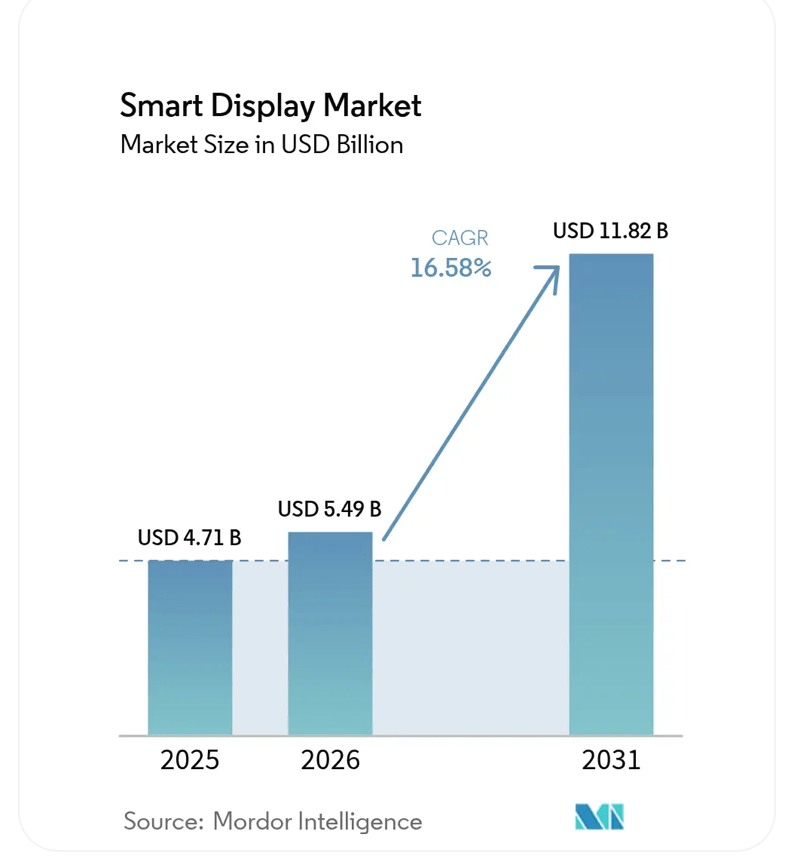
These trends directly support the Apple iFrame concept, which is designed to serve as a centralized hub for managing digital life within the home. The implications for Apple include the need to continuously innovate and integrate advanced features into the iFrame to remain competitive. Additionally, Apple must align its product development and marketing strategies with evolving consumer preferences and advancements in smart home technology to maintain its competitive advantage.
Marketing Strategy Alignment with Legal, Ethical, and Industry Standards:
Apple’s proposed marketing strategy emphasizes transparency, ethical advertising, and compliance with industry regulations. Pricing, promotional campaigns, and product messaging will adhere to consumer protection standards, including truth-in-advertising laws and digital marketing guidelines (Federal Trade Commission, n.d.). Ethical considerations, such as responsible data collection and privacy protection, are critical for a device like the iFrame, which interacts with sensitive user information. By maintaining legal and ethical alignment, Apple strengthens consumer trust and reduces potential reputational and regulatory risks.
Limitations of the Marketing Proposal:
While the research provides valuable insights, there are notable limitations. First, the reliance on online survey data may exclude less tech-savvy or non-digital consumers, limiting the diversity of responses. Second, early-stage surveys may not fully capture the larger market’s adoption patterns or price sensitivity. Third, rapidly evolving technology trends may alter consumer preferences before the iFrame’s launch, affecting the accuracy of projections. These limitations highlight the need for ongoing research and adaptive marketing strategies to validate assumptions and refine product positioning.
Implications for Implementing the Marketing Proposal:
The research indicates that the Apple iFrame has strong market potential, but implementation must carefully consider messaging, pricing, and ecosystem integration to maximize adoption. Monitoring industry trends and consumer behavior ensures that Apple can respond proactively to changes in market demand. Legal, ethical, and strategic alignment will be critical in sustaining brand reputation and achieving successful product adoption. By acknowledging these limitations and integrating findings into actionable strategies, Apple can develop a marketing plan that is both responsive and strategically sound.
References:
David, J. F., Ortinau, D. J., & Harrison, D. E. (2023). Essentials of marketing research (6th ed.). McGraw-Hill.
Federal Trade Commission. (n.d.). Advertising and marketing basics. https://www.ftc.gov/news-events/topics/truth-advertising
Mordor Intelligence. (2026). Smart display market – Size, trends, growth & share analysis 2031. https://www.mordorintelligence.com/industry-reports/smart-display-market
 Site Title
Leave a comment