Introduction
Consumers today spend a significant portion of their day on smartphones and tablets, making mobile devices one of the most effective marketing channels available to businesses. While traditional marketing methods such as television, radio, newspapers, and direct mail continue to play a role in advertising, mobile marketing provides unique advantages that allow businesses to connect with customers in real time. Mobile marketing enables organizations to increase brand awareness, drive sales, strengthen customer relationships, and deliver personalized experiences that traditional marketing channels often cannot match

Advantages of Mobile Marketing
One of the greatest advantages of mobile marketing is its ability to reach customers wherever they are. Unlike traditional advertising, which relies on consumers viewing a television commercial or reading a newspaper advertisement, mobile marketing allows businesses to communicate directly with customers through smartphones and tablets. According to Zahay et al. (2023), mobile marketing supports business objectives such as increasing awareness, stimulating customer engagement, and generating sales. Because consumers carry their mobile devices throughout the day, marketers can deliver timely and relevant messages when purchasing decisions are being made.
Increasing Sales and Brand Awareness
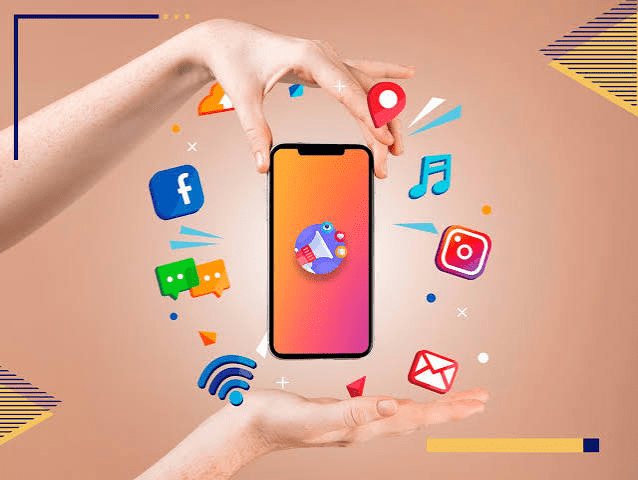
Mobile marketing is also highly effective for increasing product sales and brand awareness. Businesses can use mobile websites, social media advertisements, mobile applications, and text messaging campaigns to promote products and services. Customers can immediately respond to these promotions by clicking a link, downloading an app, or making a purchase. This direct connection between marketing messages and consumer action is a major advantage over traditional channels. Additionally, the growing popularity of short-form video content, personalized marketing, and social media engagement demonstrates how mobile devices continue to influence consumer behavior and purchasing decisions (HubSpot Marketing, 2025a).
Another important benefit of mobile marketing is its ability to guide consumers through the customers’ journey. Consumers may first become aware of a product through a social media advertisement, research the product using a mobile device, and then complete a purchase through a mobile application or website. By providing convenient access to product information, reviews, promotions, and purchasing options, mobile marketing helps reduce barriers in the buying process. As a result, businesses can move consumers from awareness to purchase more efficiently than with many traditional marketing methods (Zahay et al., 2023).

Supporting Customer Engagement and Loyalty
Mobile marketing also supports dialogue marketing and customer loyalty programs. Traditional advertising is typically a one-way form of communication, while mobile marketing encourages interaction between businesses and consumers. Mobile applications, social media platforms, text message campaigns, and customer surveys allow customers to communicate directly with brands. These interactions help organizations gather feedback, improve customer experiences, and strengthen relationships. Loyalty programs delivered through mobile apps can further increase customer retention by rewarding repeat purchases and providing personalized offers. As social media continues to evolve, organizations increasingly use mobile platforms to build online communities and foster long-term customer engagement (HubSpot Marketing, 2025b).
Challenges and Solutions
Despite its many advantages, mobile marketing does face several challenges. Privacy concerns are one of the most significant issues because consumers are increasingly aware of how companies collect and use personal information. To address this concern, marketers should maintain transparency regarding data collection practices and obtain customer consent before sending promotional communications. Another challenge is message overload. Consumers receive numerous notifications, emails, and advertisements daily, which can lead to marketing fatigue. Businesses can address this issue by delivering personalized and relevant content rather than overwhelming customers with excessive messages. Additionally, companies must ensure their websites, advertisements, and applications function properly across different mobile devices and operating systems to deliver consistent customer experience.

Conclusion
In conclusion, mobile marketing has become an essential component of modern marketing strategies because it offers greater accessibility, personalization, and engagement than many traditional marketing channels. Mobile devices allow businesses to connect with consumers at the right time and place while supporting sales generation, customer loyalty, and ongoing communication. Although challenges such as privacy concerns and message saturation exist, organizations that implement customer-focused mobile marketing strategies are well positioned to build stronger relationships and achieve long-term success.
References
- HubSpot Marketing. (2025, March 10). 6 marketing trends you need to know [Video]. YouTube. https://www.youtube.com/watch?v=0sXYuIHPVik
- HubSpot Marketing. (2025, April 21). 6 social media trends dominating 2025: What’s working NOW (based on HubSpot’s latest data) [Video]. YouTube. https://www.youtube.com/watch?v=XBfRyvvTICk
- Zahay, D. (2023). Digital marketing foundations and strategy (5th ed.). Cengage Learning.


Leave a Reply